
Skip to content

Webinars

Featured Webinar

Roundtable Discussion on Skin Substitutes: Avoiding Audit Risks 

This interactive roundtable discussion explores the use of skin substitutes in clinical practice with a focused lens on audit readiness and risk mitigation. Participants will engage in peer-driven dialogue around documentation standards, appropriate utilization, payer expectations, and common audit triggers related to skin substitute applications. Through real-world scenarios and shared experiences, attendees will gain practical insights to strengthen compliance, improve clinical decision-making, and reduce exposure to reimbursement denials or regulatory scrutiny.

Learning Objectives

  • Identify common audit triggers and documentation deficiencies associated with the use of skin substitutes
  • Apply best practices for compliant documentation, coding, and medical necessity to support appropriate utilization
  • Evaluate real-world case scenarios to develop strategies for minimizing audit risk and improving defensibility in clinical practice

Components

  • This course provides for 0.8 CME
  • Estimated time to complete the activity - The program will take approximately 50 minutes to complete
  • The course was originally released in 2026


Riskology 

Riskology Risk Program

The following videos were produced live over three weekends in 2025 with lerEXPO and CMEOnline.
PICA provided an unrestricted grant for this program.

 These programs will equip you with the knowledge and skills to identify, assess, and mitigate risks before they escalate. Through practical examples, and case studies, learners will develop a proactive mindset that emphasizes prevention, early detection, and effective response strategies. Topics include industry best practices, regulatory compliance, and strategies for fostering a culture of accountability and safety.  

Riskology  - Part 1

A Proactive Approach to Risk Awareness : Protect Yourself / Protect Your Patient

Learning Objectives:  At the end of the educational program, the learner will be able to:

  • Evaluate their clinical strengths and limitations to determine appropriate patient populations
  • Describe appropriate immediate actions when an adverse event occurs
  • Identify common communication breakdowns that increase risk in podiatric care
  • Recognize verbal and nonverbal cues signaling potential conflict in patient interactions

Components

  • This course provides for 2.6 CME
  • The program will take approximately 2.6 hours to complete.
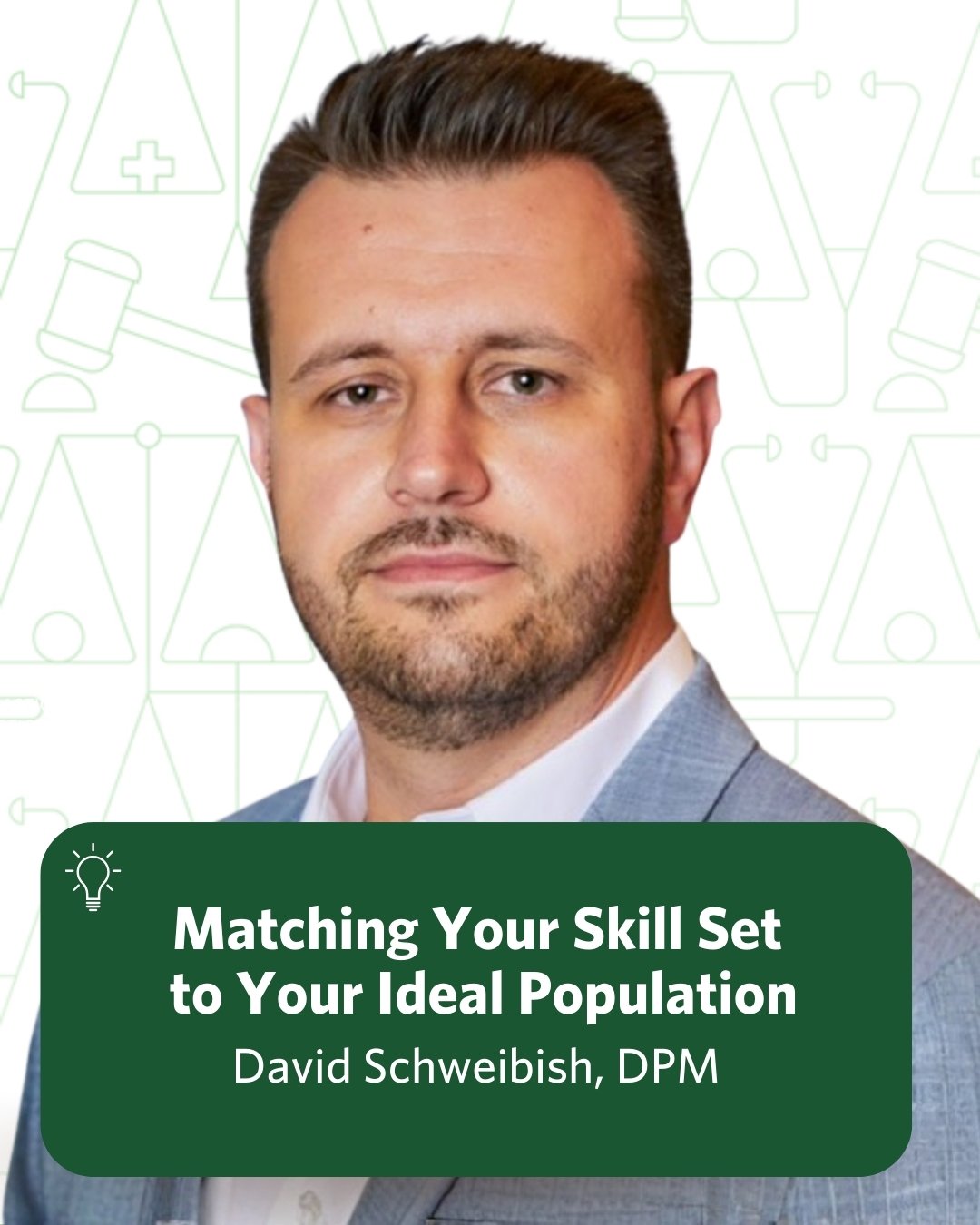
Screening for Success: Matching Your Skill Set to Your Ideal Population Risk Program featuring David Schweibish, DPM

Screening for Success: Matching Your Skill Set to Your Ideal Population

David Schweibish, DPM

Watch Riskology Part 1 Now
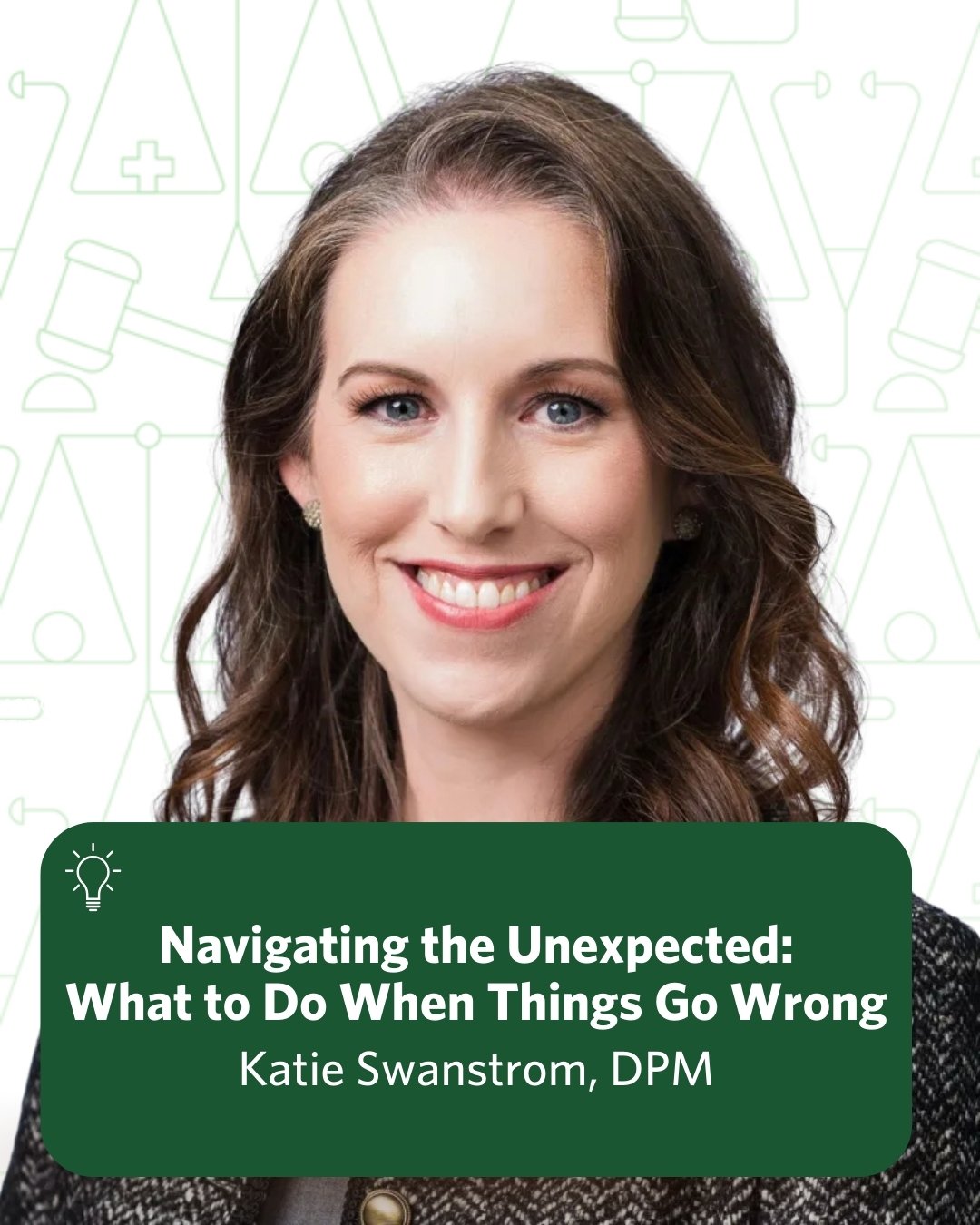
Navigating the Unexpected: What To Do When Things Go Wrong Risk Program featuring Katie Swanstrom, DPM

Navigating the Unexpected: What To Do When Things Go Wrong

Katie Swanstrom, DPM

Watch Riskology Part 1 Now
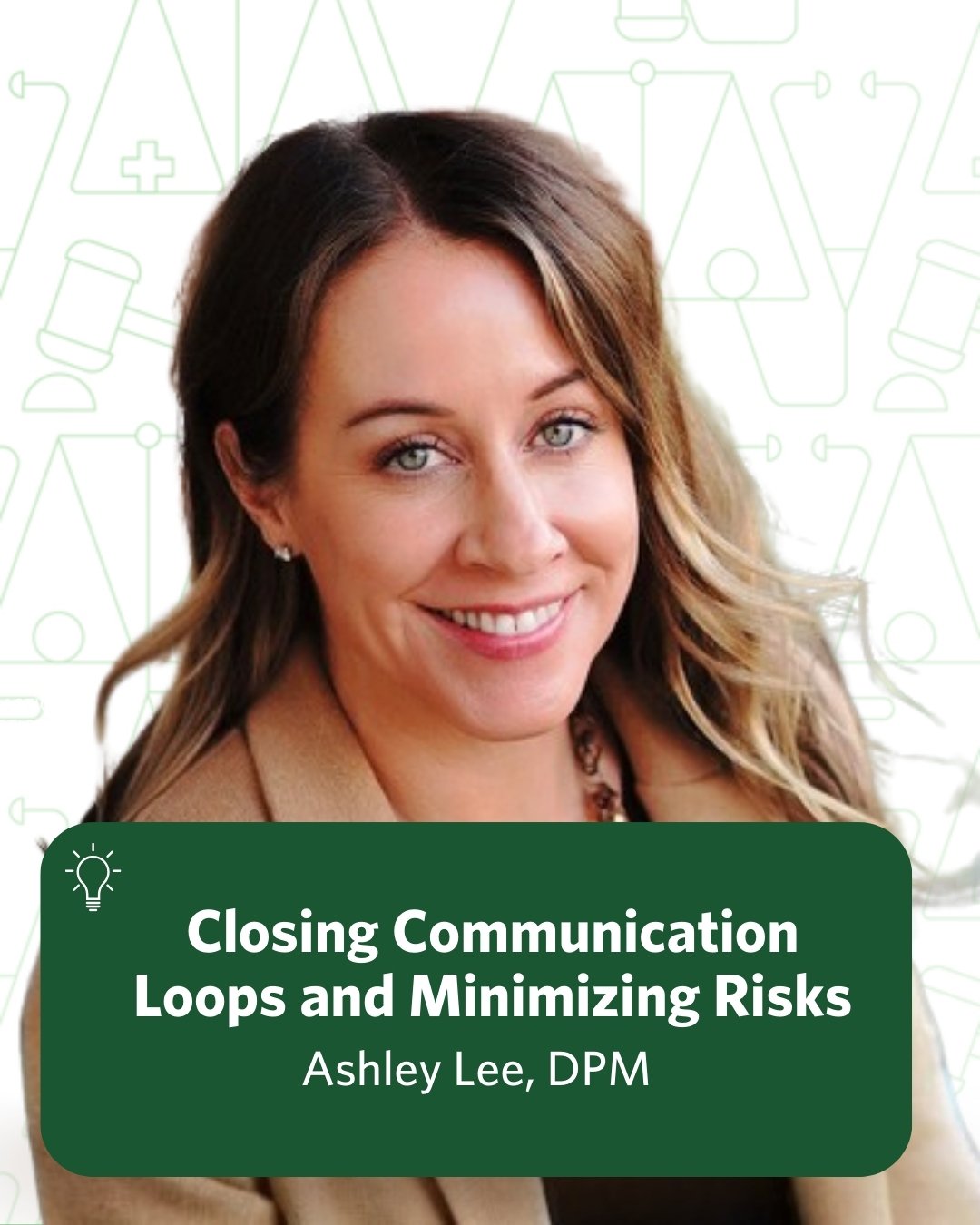
Never Assume They Understand: Closing Communication Loops and Minimizing Risks Risk Program featuring Dr. Ashley Lee

Never Assume They Understand: Closing Communication Loops and Minimizing Risks

Ashley Lee, DPM

Watch Riskology Part 1 Now
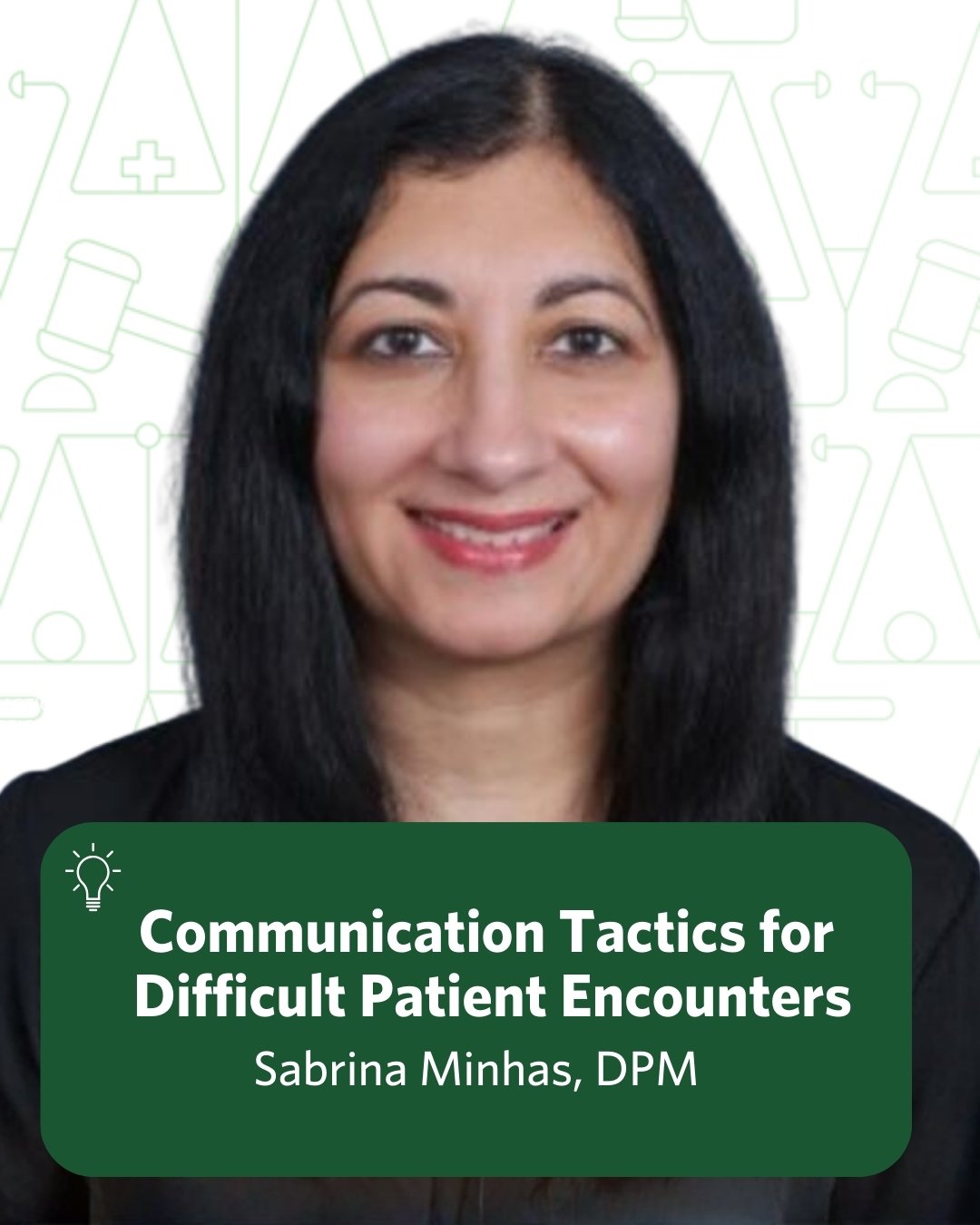
Communication Tactics for Difficult Patient Encounters Risk Program featuring Sabrina Minhas, DPM

Communication Tactics for Difficult Patient Encounters

Sabrina Minhas, DPM

Watch Now

Riskology  - Part 2

Learning Objectives: At the end of the educational program, the learner will be able to:

  • Identify common administrative risks related to billing, documentation, and compliance that can impact practice operations
  • Explain the key principles of ethical and professional social media use in podiatry
  • Understand how to build your brand
  • Assess the benefits and limitations of AI-driven tools in clinical, administrative, and communication workflows
  • Demonstrate effective advocacy strategies for self, patient, and professional community needs

Components

  • This course provides for 1.85 CME
  • The program will take approximately 1.85 hours to complete.
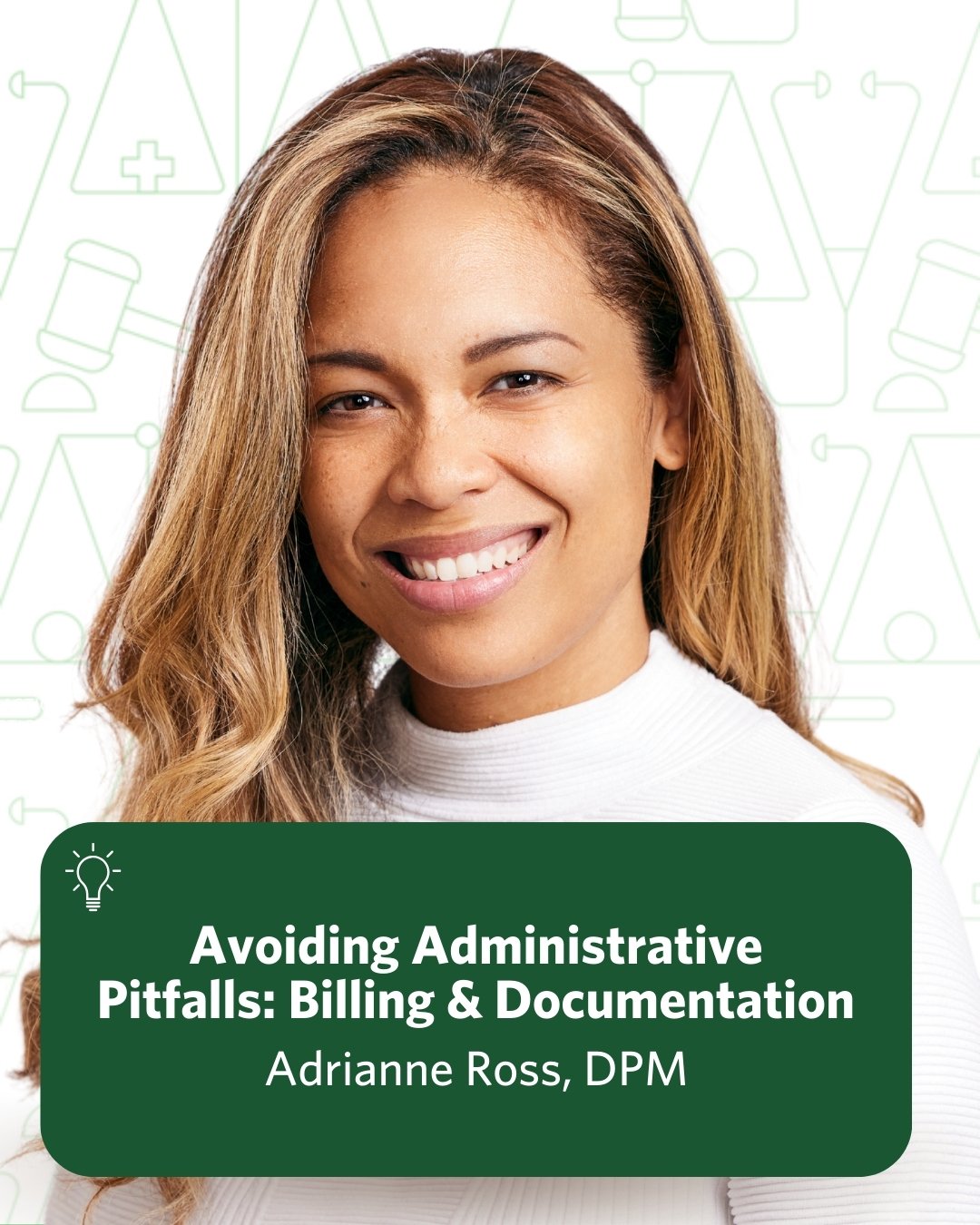
Avoiding Administrative Pitfalls: Billing & Documentation Risk Program featuring Adrianne Ross, DPM

Avoiding Administrative Pitfalls: Billing & Documentation

Adrianne Ross, DPM

Watch Video
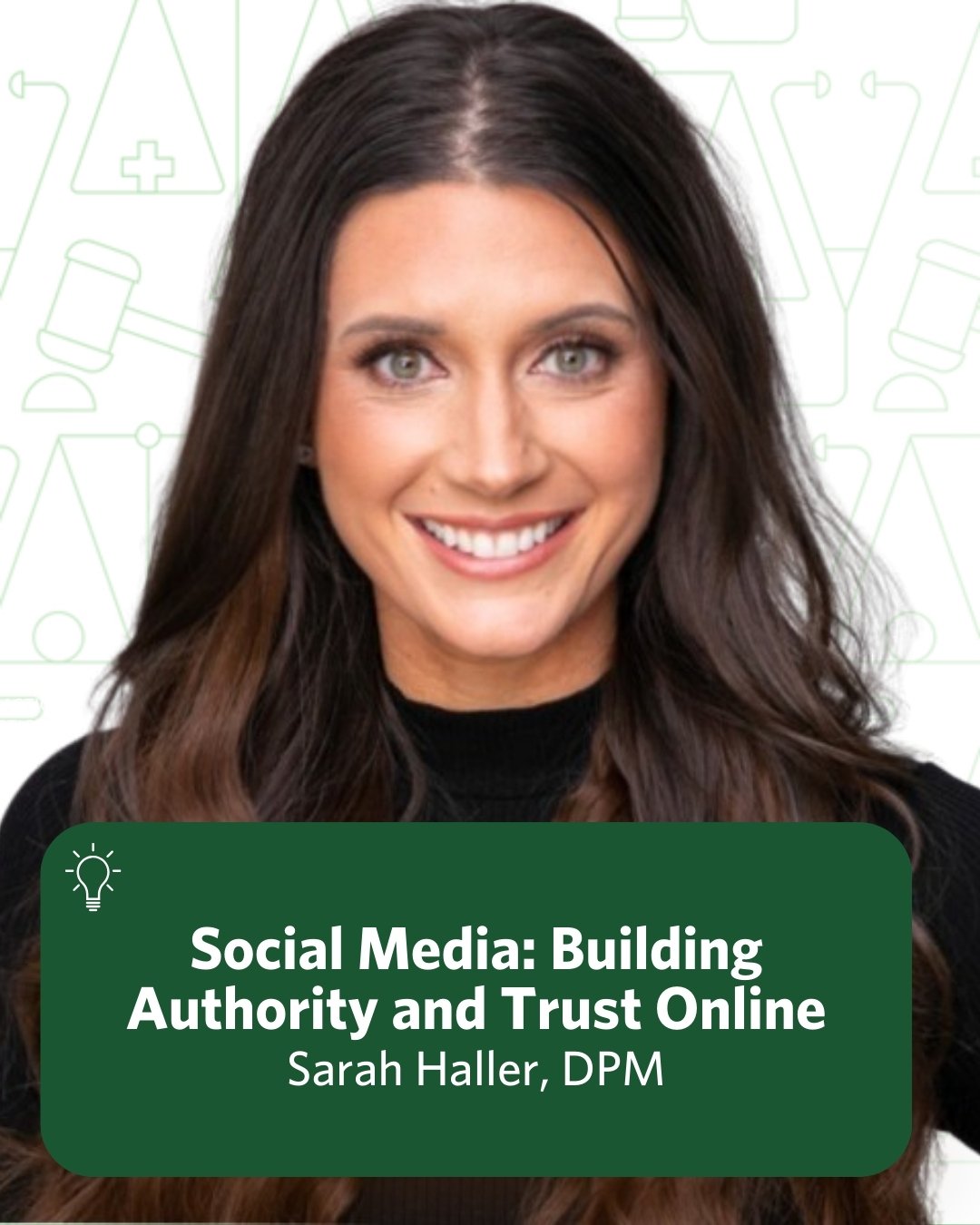
Social Media: Building Authority and Trust Online Risk Program featuring Sarah Haller, DPM

Social Media: Building Authority and Trust Online

Sarah Haller, DPM

Watch Now
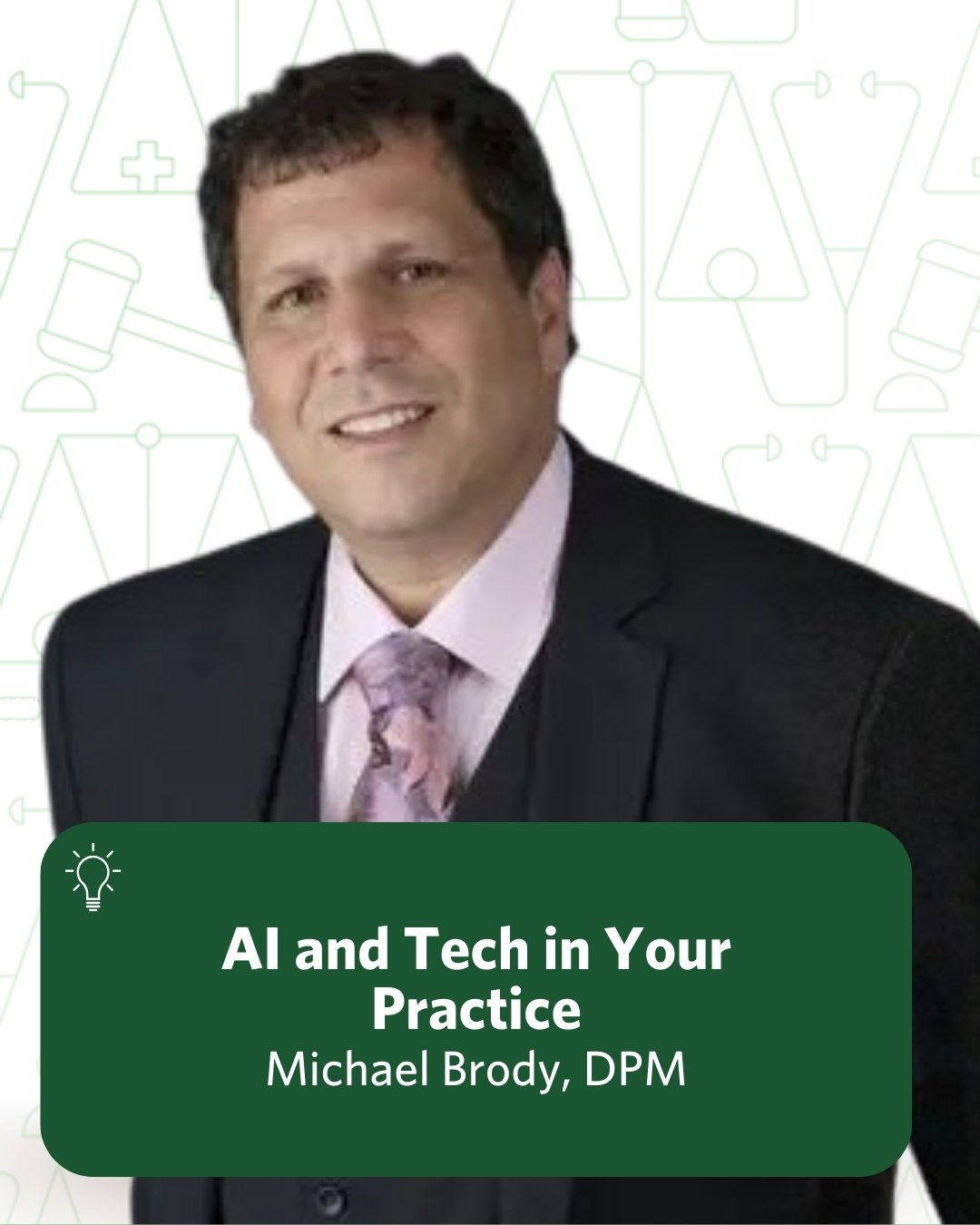
AI and Tech in Your Practice Risk Program featuring Michael Brody, DPM

AI and Tech in Your Practice

Michael Brody, DPM

Watch Now

Riskology  - Part 3

Learning Objectives: At the end of the educational program, the learner will be able to:

  • Apply evidence-based communication strategies to enhance trust, compliance, and clinical outcomes
  • Evaluate how emerging technologies influence procedural selection in patients with co-morbid conditions
  • Collaborate effectively across disciplines to optimize outcomes for diabetic patients with complex presentations
  • Identify evidence-based interventions for optimizing wound closure and offloading in complex cases

Components

  • This course provides for 2.8 CME
  • The program will take approximately 2.8 hours to complete.

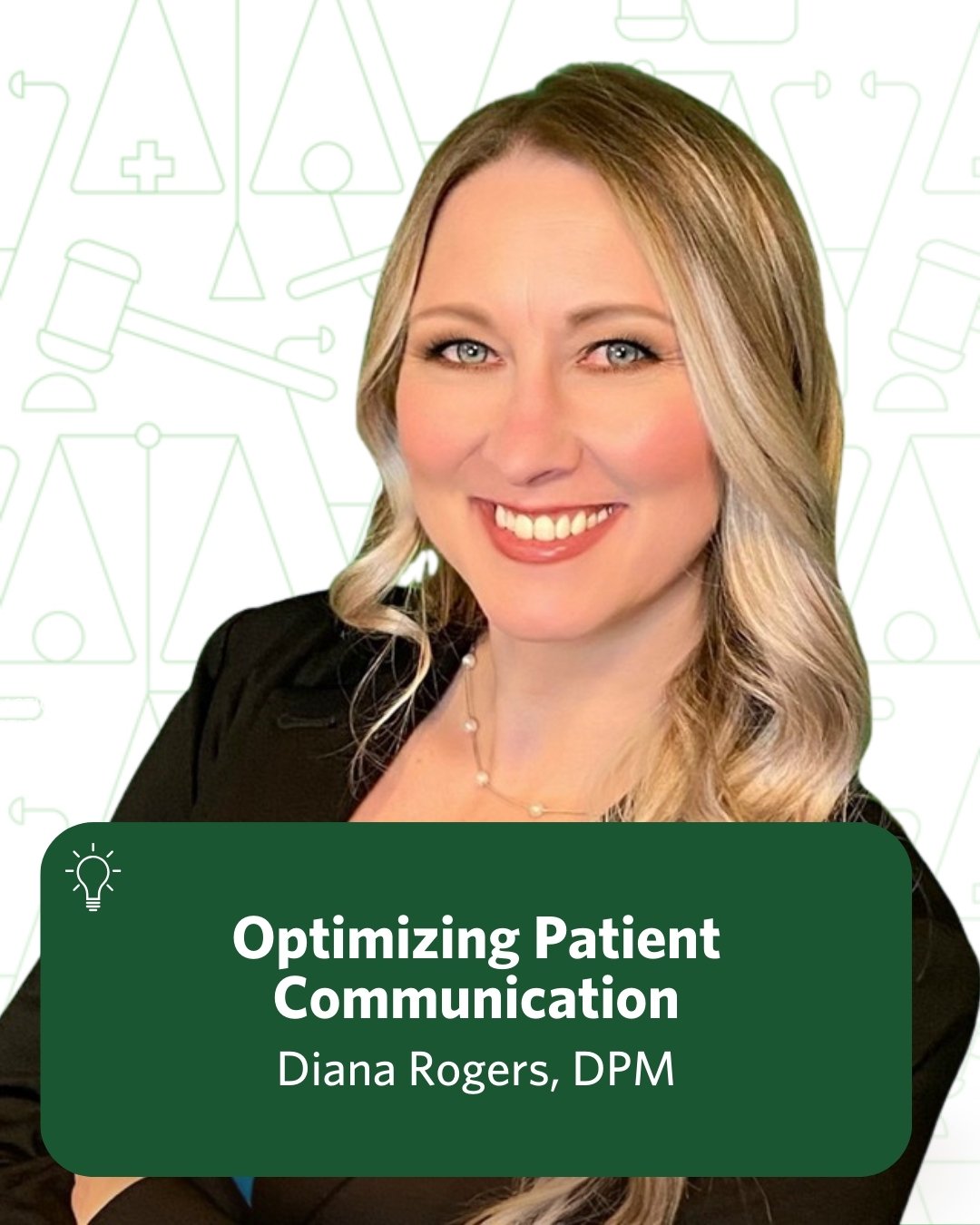
Optimizing Patient Communication Risk Program featuring Diana Rogers, DPM

Optimizing Patient Communication

Diana Rogers, DPM

Watch Now
Procedural Selection with Emerging Technologies Risk Program featuring Krupa Patel, DPM

Procedural Selection with Emerging Technologies

Krupa Patel, DPM

Watch Now
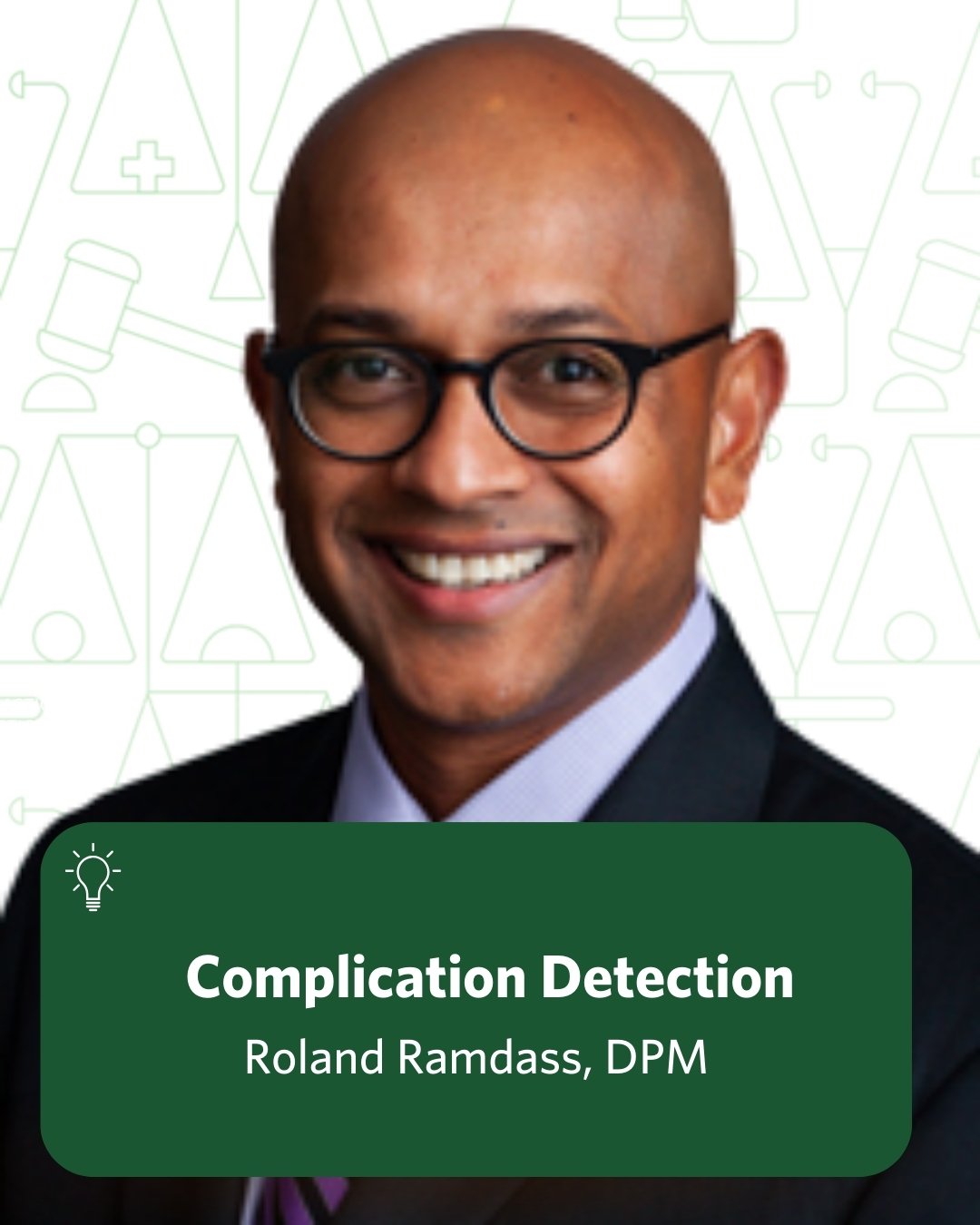
Complication Detection Risk Program featuring Roland Ramdass, DPM

Complication Detection

Roland Ramdass, DPM

Watch Now
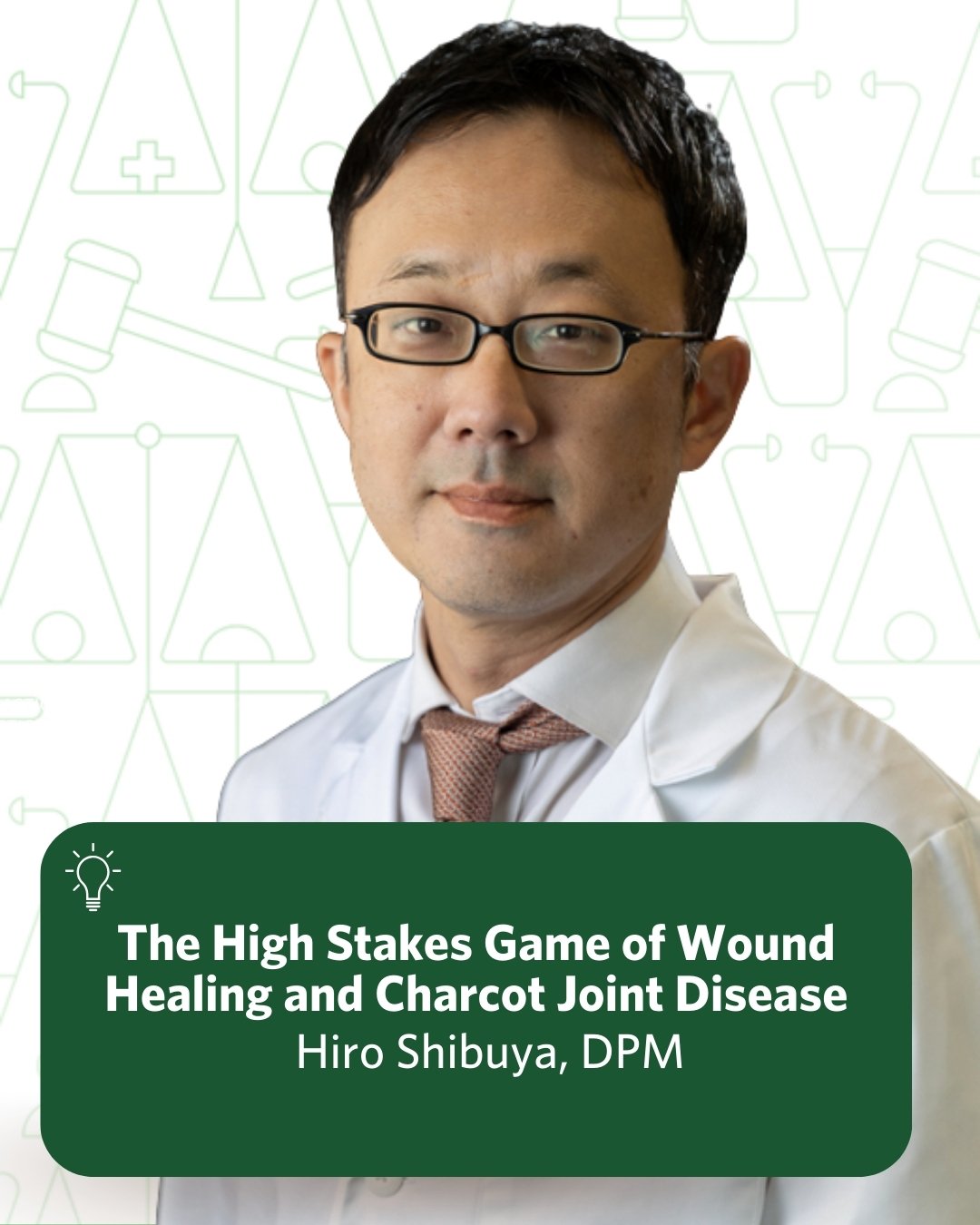
The High Stakes Game of Wound Healing and Charcot Joint Disease Risk Program featuring Hiro Shibuya, DPM

The High Stakes Game of Wound Healing and Charcot Joint Disease

Hiro Shibuya, DPM

Watch Now